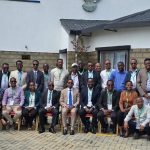



April 12-15, 2026 (DJIBOUTI, Djibouti City) Supported by the African Development Bank (AfDB), ICPALD is implementing the Entrepreneurship and Innovation Development for Fragility Reduction (EIDFR) Project in Djibouti and South Sudan. The project aims to enhance institutional capacity for entrepreneurship, promote innovation ecosystems, and generate sustainable youth employment.
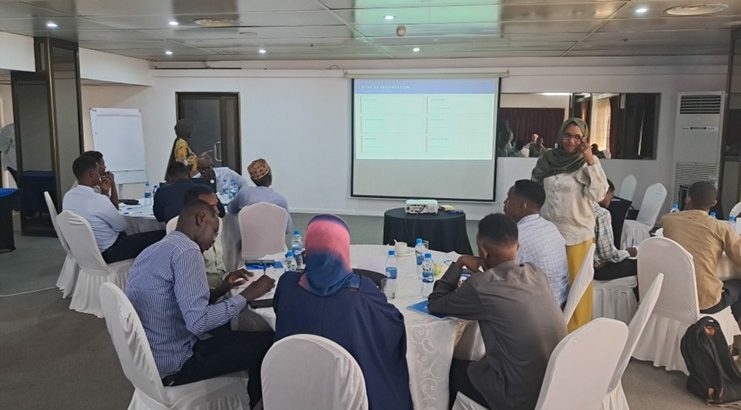
Following the partial disbursement of the first tranche of seed funding to the 20 startups in Djibouti, a 4-day intensive incubation immersion workshop was conducted to accelerate business implementation, strengthen operational capacity and ensure effective utilization of seed funds among youth-led startups.
The Director of Graduate Studies at the University of Djibouti, doubling as the Project’s National Focal Person, delivered the opening remarks. In his address, he welcomed the participating entrepreneurs and praised their dedication to turning innovative ideas into viable businesses amid Djibouti’s high youth unemployment and arid challenges. He positioned the workshop as a key milestone from ideation to execution, particularly for seed-funded startups that are ready to generate tangible results in livestock and dryland agriculture sectors.
He stressed that youth entrepreneurship is central to Djibouti’s economic resilience, with young innovators serving as job creators rather than just job seekers, harnessing pastoral strengths and adaptive farming to foster inclusive growth and stability. He called for enhanced accountability in resource use and market-oriented approaches among founders. The Director also encouraged participants to engage actively with mentors, learn from shared experiences, refine business models, and accelerate implementation.
The workshop applied a hands-on, peer-learning and mentorship-driven approach, combining practical sessions with field exposure. By the end of the session, participants had:
- formulated actionable cost-management and optimization plans.
- optimized their market entry approaches to better align with local market realities.
- shared real-world solutions, expediting problem-solving and minimizing trial-and-error.
- mapped supply chains, pinpointed bottlenecks, and developed targeted improvement plans.
- identified new collaboration opportunities in areas such as input sourcing, technical support, marketing, and certification guidance.
- visited sites like Duda Cooperative which demonstrated climate-smart agriculture practices, including modern wastewater recycling technologies.