


March 30–April 2, 2026 (NAMANGA, Kenya) ICPALD convened a Kenya–Tanzania cross-border One Health workshop to strengthen multi-sectoral coordination and transition from dialogue to action.
The workshop, held on 30-31 March 2026, fostered a shared understanding of priority zoonotic risks while exploring and strengthening One Health implementation at the human–animal–environment/plant interface.
During the workshop, participants deliberated on advancing harmonized surveillance, improved information sharing and coordinated cross-border interventions, including synchronized disease control measures.
Thereafter, on 1 April 2026, the joint planning on transboundary animal diseases (TADs) surveillance and synchronized vaccination session was held. At the session, Kenya and Tanzania strengthened cross-border collaboration to jointly control TADs through harmonized surveillance systems & synchronized vaccination plans. This joint effort reflects a shared commitment to improving animal health, safeguarding livelihoods and enhancing safe and competitive livestock trade.
Facilitated under the PLACE Project, this joint forum provided a regional platform for coordinated planning, technical alignment and strengthened institutional collaboration between the two countries.
Key focus areas included the development of a joint surveillance and vaccination calendar; a coordinated 2026–2027 cross-border action plan; improvement of vaccine, kits & reagents supply systems; mapping of livestock mobility and trade routes; and strengthening coordination and governance mechanisms.
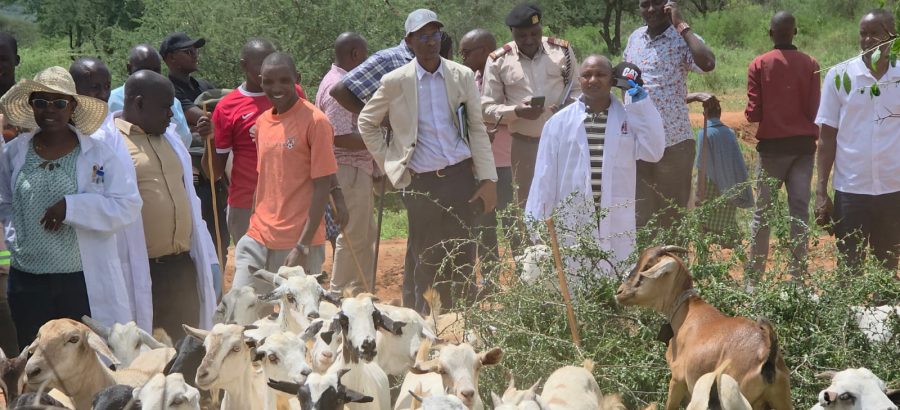
This was followed by the launch of a synchronized cross-border vaccination program against TADs along the Kenya–Tanzania border on 2 April 2026, in the Mara- Serengeti Cluster. Present were the Kajiado County Commissioner, County Executive Committee Member for livestock, veterinary services & fisheries; ICPALD Director; Chief Veterinary Officer representatives from Kenya and Tanzania.
The joint vaccination targets priority TADs, with a strong focus on the control and eradication of Peste des Petits Ruminants (PPR), a key regional, continental and global priority disease which member states have committed to eradicate by 2030, alongside other complementary diseases of trade, economic and livelihood importance.
This milestone reflects strengthened bilateral coordination, harmonized technical approaches and joint resource mobilization, which reinforces trust and confidence between Member States, institutions and cross-border communities. It lays a solid foundation for resilient livestock systems, improved animal health, reduced public health risk and enhanced SPS compliance, while advancing safe, competitive and expanded formal cross-border and international livestock trade.
These activities were funded by the EU and implemented by ICPALD, in collaboration with FAO, through PLACE project.
###