

By Dr. Guyo Malicha Roba
I write these words from the Horn of Africa, a region whose history is deeply intertwined with the global livestock trade. For millennia, this region has served as a vital link connecting pastoral production systems to distant markets across the Middle East and North Africa. Records from the medieval to early modern periods attest to the enduring commercial relationships established between pastoral communities in the Horn of Africa and trading partners across the Arabian Peninsula. This highlights the Horn of Africa’s long-standing contribution to interregional trade.
The region is home to more than 350 million sheep and goats, distributed and remains among the world’s leading producers and exporters of livestock. The annual livestock export value is surging in the region, with Somalia alone surpassing the USD 1.5 billion annual mark, with a significant share of these export comprising sheep and goats that are mostly destined for Gulf Cooperation Council (GCC) countries.
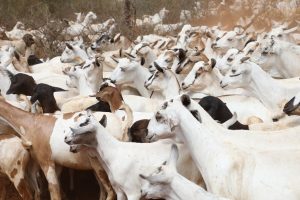
Yet behind these statistics stand millions of pastoralists whose survival hinge on stable markets, and predictable policies. The livestock export marketplace is precise and leaves little room for error.
Today, the livestock sector in the Horn of Africa stands at a critical inflection point. The region possesses significant strengths—scale, diversity and a long-established reputation in international markets, yet it also faces mounting challenges.
Importing countries impose strict sanitary and phytosanitary (SPS) standards to safeguard animal health and meat safety, plus, rigorous traceability systems. Any deficit in requirements, whether related to animal health, documentation or handling can lead to rejection of shipments, reputational damage and significant financial losses. The evolving export conditions, if not fully met, could impose complex regulatory obligations and barriers but when countries are compliant, it offers opportunities for market expansion.
Equally valuable is a shift toward value addition. By investing in meat processing, grading and branding, enables capturing a larger share of the value chain. Exporting high-quality, processed, branded and fully traceable meat products command substantially higher value in international markets. Embracing this strategy will enhance competitiveness, increase export revenues and build a more resilient livestock sector in the IGAD region.
However, value addition requires access to reliable and timely market information including a clear understanding of consumer preferences, regulatory requirements and demand in destination markets.
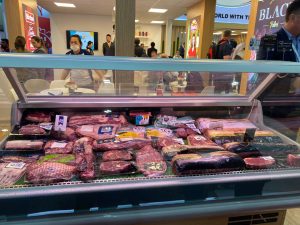
The specific standards of different export markets that ultimately determine product acceptance and pricing knowledge should be effectively communicated to pastoralists and aggregators. A clear understanding of post-harvest handling practices, including proper animal health management, appropriate feeding, safe and humane transport, and adherence to hygiene standards, which directly influence product quality and compliance with market requirements.
Sustainability is no longer a peripheral concern and forms part of procurement decisions in high-value export markets. Buyers are demanding clear assurances that livestock are produced in an environmentally responsible manner.
The pastoral productions offer relative ecological advantages because livestock are reared under extensive, low-input conditions on natural rangelands and often have a lower environmental footprint and are of unique and superior quality. This positions the region favourably in markets that place a premium on sustainability and ethical sourcing, thereby offering credence to the need to safeguard rangelands and document sustainable practices.
Technology is key to shaping a competitive and compliant livestock export sector. Digital traceability systems can enable real-time tracking of animals from origin to destination, so is the communication platform to facilitate the rapid exchange of market information and advisory services across the value chain, while enhanced disease surveillance can enable early detection and effective responses.
Investment in critical infrastructure reinforces confidence among trading partners. Reliable quality testing facilities, well-equipped disease control laboratories and internationally accredited certification bodies are fundamental to building credibility in highly regulated export markets.

Together, the strategic adoption of technology and targeted institutional investments will enhance efficiency, reduce risk, and position the sector to meet the requirements of global markets.
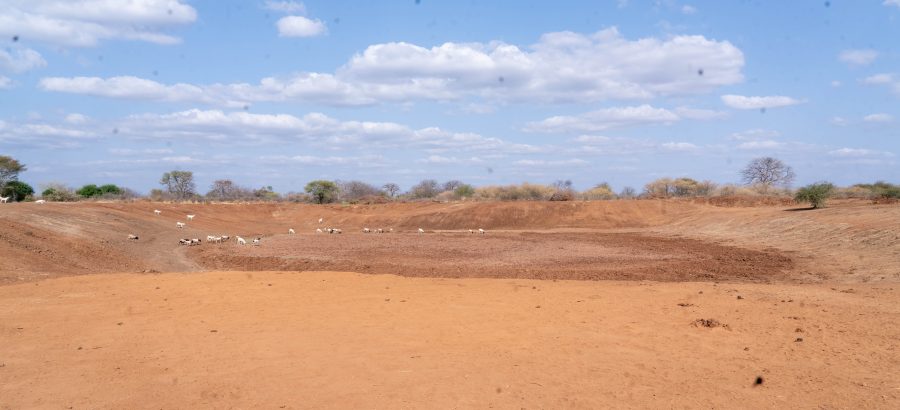
However, climate change introduces an additional layer of uncertainty. Recent data points to increasing variability in temperature and rainfall patterns, with direct implications for animal performance, feed and water availability, disease prevalence, and overall productivity. These challenges should be addressed through adaptive strategies, improved rangeland management, enhanced feed planning and conservation and more robust disease control measures. Sustained investment in research and effective extension services to ensure that innovations reach producers in a timely and practical manner should underpin this.
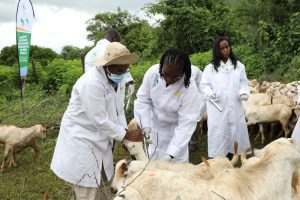
Ultimately, building resilience will be a decisive factor. The capacity of livestock systems to adapt to climatic stress will determine whether production can keep pace with expanding global demand.
Despite these pressures, the outlook remains promising. With strategic engagement in the African Continental Free Trade Area (AfCFTA), a strong emphasis on systematic value addition, improved market intelligence and effective coordination across the supply chain, the region is well positioned to consolidate its gains and expand its global presence. By aligning these efforts, the livestock sector can move beyond its current constraints, enhance competitiveness, and secure a more resilient and sustainable future in international markets.
If these and other elements are effectively harmonised, we will both sustain current growth and elevate the entire livestock sector. The opportunity before us is significant, but so is our responsibilities related to knowledge, progressive policies, strengthened through coordination and secured through foresight.